

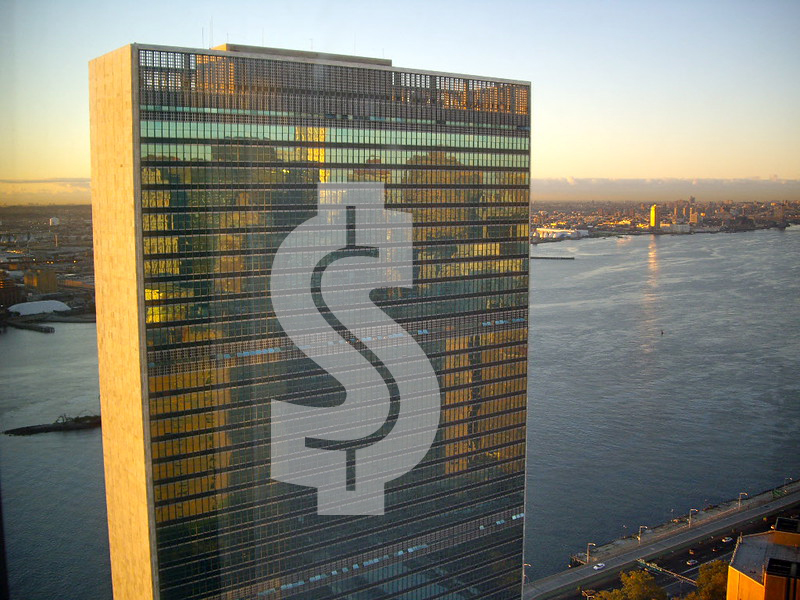
Behind-the-Scenes Lobbying, Followed By Strange Theatrics, Benefit Alcohol, Tobacco, Processed Food, and Similar Industries
This fall, the United Nations (UN) labored to prove that the world can share a vision of common health and prosperity. Instead, it showed how easily that vision can be blinded under industry pressures.
For much of 2025, delegations from UN members states in the United Nations have been meeting to compile a list of strategies and targets to reduce the burden of heart disease, diabetes, cancers, and other conditions brought on by lifestyle choices and environmental exposures. These conditions, collectively referred to as noncommunicable diseases (NCDs)—as contrasted with communicable diseases, health problems caused by pathogens or parasites that can be passed from one person to another—are often driven by consumption of unhealthy products, including tobacco, heavily processed foods, and alcohol.
For each of these products, there are major corporations that benefit from their sales. And as the UN’s framework, officially the Political Declaration on NCDs and Mental Health, neared completion, these industries pressured multiple countries’ delegations to heavily revise it. In August communications to allies, the Global Alcohol Policy Alliance (GAPA) noted that the language was being severely weakened, including removal of language around “commercial determinants of health” as well as attenuating language around using tax policy to reduce the health impacts of alcohol and other drugs, from being a strong recommendation to a “consideration.”
International alcohol industry watchdog group Movendi pointed out that alcohol-related language received substantial revision, above and beyond that inflicted on the language for other NCD causes. Despite previous international agreements identifying the harms from alcohol as a priority risk, alcohol was omitted from the list of risks requiring “fast track” interventions. The declaration also frequently employs the term “harmful use of alcohol,” Movendi notes, despite the mounting evidence that no level of alcohol use can be considered harmless. They also note that, despite UN member states’ endorsements of the World Health Organization’s SAFER framework for alcohol harm prevention in 2022, the Political Declaration omits any mention of it.
Nonetheless, on September 3rd, the UN issued its political declaration for consensus vote, under the assumption that the diluted recommendations would soften industry opposition. The organization was surprised and mistaken. United States Secretary of Health and Human Services Robert F. Kennedy, Jr., stunned the UN Assembly by announcing that the United States would not support the declaration. In a bizarre speech, Sec. Kennedy decried references to “radical gender ideology” and abortion that do not appear anywhere in the text as reasons why the U.S. would never support it.
But Sec. Kennedy also named one item that emphatically was still in the document: the consideration of taxes on unhealthy products. Despite the dulled language that drew the ire of international groups, the declaration draft still urged states to “consider introducing or increasing taxes on tobacco and alcohol,” a nonbinding and vague suggestion that nonetheless was a bridge too far for industry groups with the ear of the U.S. administration. The U.S. withdrawal ended the consensus vote, though not the Declaration itself.
Sec. Kennedy—and, more importantly, the alcohol, tobacco, and related industries’—may have hoped that this would kill the NCD declaration entirely, but the President of the UN General Assembly has nevertheless referred it to a floor vote by all members of the U.N. This process is more laborious than adoption by a consensus vote of key members, but it also makes it more difficult for strange theatrics to consign extensive international deliberation to the garbage can. Short on commitments and clear targets though it may be, the Declaration on NCDs and Mental Health still brings hope that the well-being of people across the world will trump the industry’s need to always increase its profits, no matter the human cost.
Image courtesy of CK Hartman via Flickr. Used under Creative Commons license.