

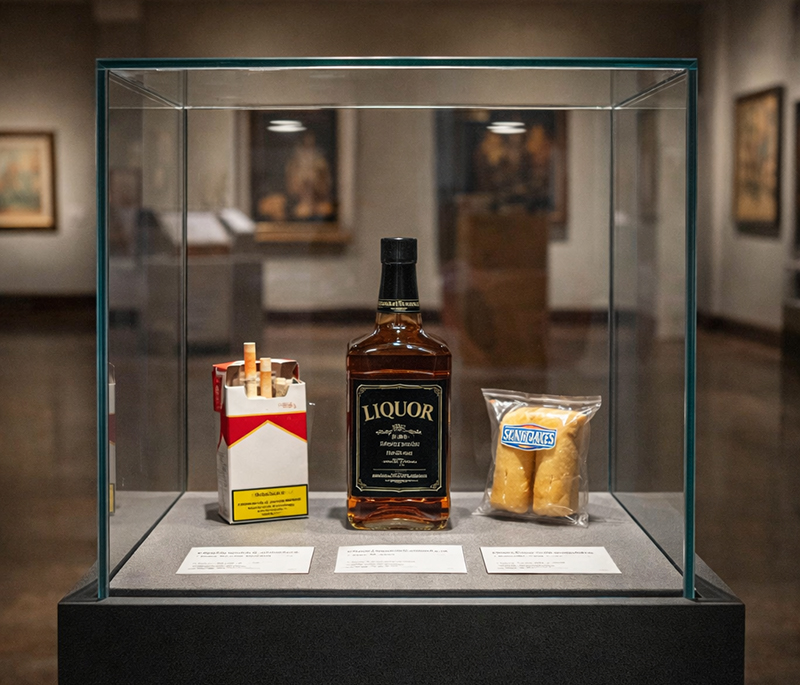
Supporters of Alcohol Justice are already aware that much of the ire around alcohol harm gets directed at the industry itself. Although alcohol manufacturers and retailers span the spectrum of economic impact, from garage brewers to some of the largest corporations in the world, the economic and political clout wielded by what we term “Big Alcohol”—producers like Anheuser-Busch InBev, Heineken, Diageo, etc.—allow them an outsized ability to determine health policy. Because these corporations are answerable primarily to their own profitability, not to the health of the populace, the policies they push largely lead to more harm and death worldwide.
But Big Alcohol is not alone in those incentives. Big Tobacco, the oil industry, major processed foods and sugar-sweetened beverage concerns—all of these sectors are driven by an economic incentive that, more often than not, directly conflict with population health. Only in the past few decades have public health researchers and advocates come to the realization that siloing efforts around alcohol control, tobacco control, cancer prevention, air pollution, sedentary behavior, etc. forsakes opportunities to deepen our understanding of the economic mechanisms that perpetuate these harms. Addressing the commercial determinants of health writ large is an important step to building the power to describe and reverse the damage they incur. This, necessarily, requires a strong understanding of the ways in which capital interacts with government and communitarian needs—and a plan to communicate it clearly to both national and local advocates and health educators. If we can learn anything from the dispiriting outcome from the UN Political Declaration on NCDs and Mental Health, it is that Big Alcohol will eagerly work in concert with other global merchants of toxic products to impede protective policy. So when and how should the public health response become equally wide-ranging?